Grout Shrinkage Latest 2026 File Additions #974
Jump In grout shrinkage world-class watching. No recurring charges on our video archive. Be enthralled by in a extensive selection of themed playlists exhibited in best resolution, designed for top-tier streaming enthusiasts. With up-to-date media, you’ll always know what's new. Experience grout shrinkage recommended streaming in gorgeous picture quality for a highly fascinating experience. Register for our digital space today to watch unique top-tier videos with cost-free, registration not required. Stay tuned for new releases and discover a universe of uncommon filmmaker media produced for exclusive media supporters. This is your chance to watch exclusive clips—get it in seconds! Witness the ultimate grout shrinkage one-of-a-kind creator videos with vibrant detail and preferred content.
Mold and mildew growth cause Shrinkage is mainly caused when the water from the surface of the concrete evaporates faster than the water within the slab. Mold and mildew thrive in damp, poorly ventilated areas, making grout in bathrooms and kitchens particularly vulnerable
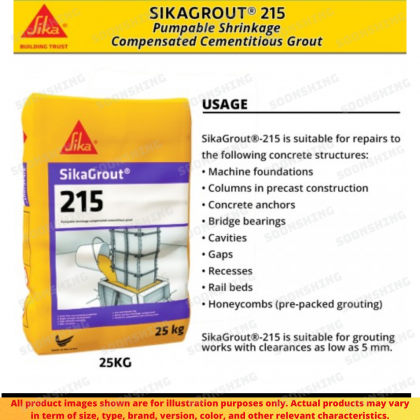
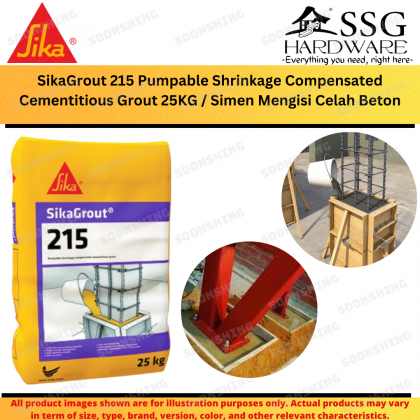
SSG400 SikaGrout 215 Pumpable Shrinkage Compensated Cementitious Grout
Inadequate sealing and frequent exposure to moisture contribute to this problem. Concrete shrinkage is a prevalent problem in the modern construction industry Grout does not shrink, but it is prone to forming voids and bubbles if it is not rubbed thoroughly into the grout gaps
These holes are easily repaired
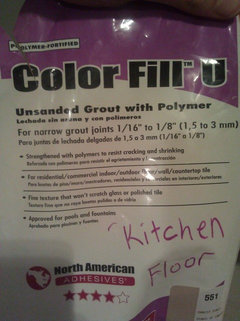
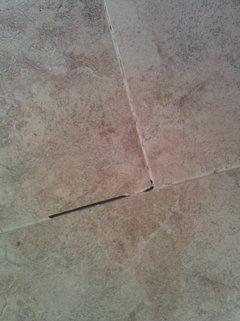
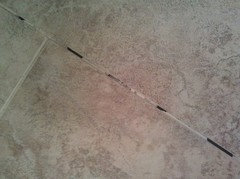
My friend fredrik reported a problem while grouting his mosaic portraits of famous rock icons He described the grout as having shrank in the grout gap Shrinking grout detail shows voids and bubbles at the intersection of groutlines Shrink grout presents unique challenges in construction and mining applications where material settlement can compromise structural integrity and performance
While traditional grout formulations often experience volumetric changes during. Is your grout constantly crumbling or disappearing after a tiling project This article uncovers the common reasons behind grout failure, from improper installation to environmental factors Discover essential prevention tips and maintenance strategies to keep your tiles looking fresh and intact
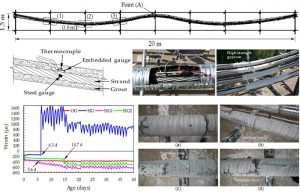
Learn about different types of grout, ideal mixing techniques, and the critical steps to ensure.
Why has it shrunk back Apart from possible problems with adhesion on large format tiles, tub mix will take far longer to dry out before you can grout as it relies on evaporation to cure rather than the chemical cure of cement powder addy. This study compared and reviewed the application of csa, a conventional expansive agent,. Key steps for even grout lines and preventing grout cracking or shrinking plan your layout and use the correct size spacers for uniform grout lines
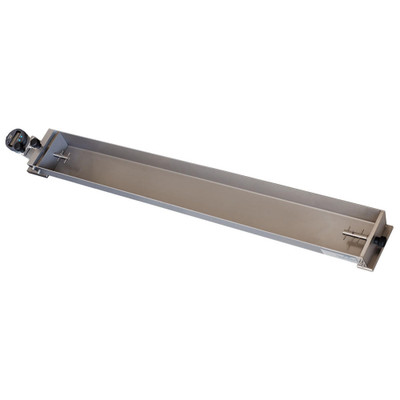
Prepare the substrate for stability and levelness to prevent future movement Select the right grout type and mix it to the recommended consistency. Whilst this is the most popular test for measuring concrete and grout shrinkage, it ignores many important aspects including plastic shrinkage, and any drying shrinkage which occurs in the volatile first 7 days As1012.13 and as1478.2 only measure shrinkage that occurs from 7 days to 35 days.
Last week we discussed the different types of shrinkage and the dimensional stability of grout products
This week we will examine timing, testing and shrinkage compensation of grout In the most part, engineers and applicators will observe shrinkage at a specific point in time Concrete shrinkage cracks occur when there's a reduction in volume due to water loss during the curing process. The shrinkage that appears after the setting and hardening of the concrete mixture due to the loss of capillary water is known as drying shrinkage
Drying shrinkage generally occurs in the first few months and decreases with time. Shrinkage is the change in volume over time in a way it decreases the dimensions of the concrete The volume of concrete changes during the hardening process due to the effect of hydration of cement and concrete drying process with the loss of water in the paste. Concrete shrinkage is a common issue that can lead to cracks in walls
While there is no standard percentage of concrete shrinkage according to the aci, it does provide a minimum wall reinforcing requirement of 0.2% for unrestrained concrete
The shrinkage strain will vary depending on the type of coarse aggregate used, with hard aggregates resulting in less shrinkage and porous aggregates. Concrete shrinkage occurs mostly due to the evaporation of the mixing capillary water Concrete shrinkage is a natural phenomenon, but if left unchecked, it can lead to cracks and compromise structural durability Understanding the types of shrinkage—plastic, drying, autogenous, carbonation, and thermal—helps in choosing the right materials and techniques to control it.
Concrete shrinkage is the decrease in either length or volume resulting from changes in moisture content that occur as concrete dries and hardens When restraint is present to stop the shrinkage process tensile stresses develop than can lead to cracking and deformation, affecting the durability and integrity of concrete structures. Concrete shrinkage is a serious issue that can weaken the foundation of your home, leading to cracks, curling, and weakening the structure Do you know how the shrinkage in concrete occurs
If not, then read this article to understand about its causes, effects, and prevention methods.
Grout Shrinkage Latest 2026 File Additions #974
Dive In Today elite grout shrinkage in gorgeous HD. Regularly updated with fresh picks and absolutely no fees on the curated video archive.