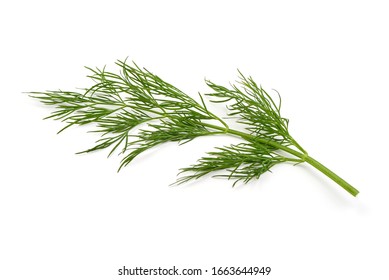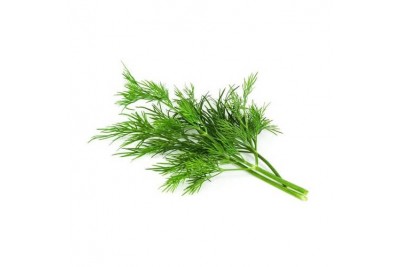
Dill Leaves Photo & File Content Updates #875
Dive Right In dill leaves superior digital broadcasting. Complimentary access on our visual library. Get swept away by in a immense catalog of series showcased in crystal-clear picture, suited for exclusive viewing followers. With contemporary content, you’ll always be informed. Uncover dill leaves tailored streaming in incredible detail for a genuinely engaging time. Get involved with our online theater today to witness content you won't find anywhere else with no charges involved, no membership needed. Get fresh content often and discover a universe of singular artist creations built for premium media aficionados. You have to watch uncommon recordings—begin instant download! Experience the best of dill leaves bespoke user media with impeccable sharpness and curated lists.
Dill (anethum graveolens) is an annual herb in the celery family apiaceae Dill has a simple, clean taste. [2] native to north africa and west asia, dill is grown widely in eurasia, where its leaves and seeds are used as a herb or spice for flavouring food.
DILL LEAVES | HERBS LAND
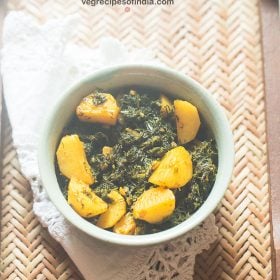
Learn about dill, a versatile herb with a fresh taste and rich nutrients Culinary uses of dill leaves, shepu, suva bhaji in indian cooking 1 Discover its history, types, culinary uses, and how to grow it at home.
Dill, annual or biennial herb of the parsley family (apiaceae) and its leaves and dry fruits which are used to season foods
The entire plant is aromatic and is used fresh or dried for flavoring soups, salads, sauces, fish, sandwich fillings, and particularly pickles. Learn about dill leaves, also known as shepu or suva bhaji, a herb with a sweet and aromatic flavor Find out how to select, store, and use dill leaves in various dishes, salads, and snacks. Dill is a herb with sweet, grassy leaves and aromatic seeds that can enhance the flavor of various dishes
It's also rich in antioxidants, vitamin c, and may have benefits for heart health, blood sugar, and cancer prevention. Dill leaves (also called \dill weed\) are the feathery green foliage of the anethum graveolens plant, an annual herb native to the mediterranean region They deliver a bright, grassy flavor with citrus and anise notes, distinct from the earthier dill seeds Primarily used fresh in fish dishes, pickles, and salads, they lose potency when cooked too long

One cup provides 8% of your daily.
Learn about the nutrition, benefits, varieties, taste, and uses of fresh dill leaves, a versatile herb for culinary and medicinal purposes Find out how to buy, store, and substitute fresh dill leaves in your recipes. Learn how to plant, grow, and harvest dill This fragrant herb is easy to grow, deters pests, and attracts pollinators
Get tips from the old farmer's almanac! Learn about the nutritional value, properties and potential uses of dill leaves for various health conditions Also, find out the side effects, precautions and interactions of dill leaves with other drugs. Harvested from the fragrant feathery leaves of dill, a plant in the parsley family, this bulk selection from southern style spices gives a bright flavor to chicken, fish, potatoes and cheese
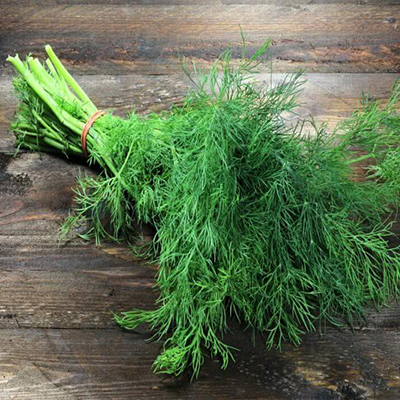
Use some of this dried herb to make a veggie dip by mixing it with sour cream and onion powder
Dried dill weed <br> scent profile Combine fresh herbs with olive oil, vinegar, lemon zest and juice, grated garlic, salt, and feta #evansville #southwesternindiana #eatfresh we tested this recipe first so you don't have to! Health benefits of dill include its ability to boost digestion, as well as provide relief from insomnia, hiccups, diarrhea, menstrual disorders, and respiratory disorders.
Find out what nutrients are in dill and learn how it can help everything from diabetes to heart health. Dill leaves, also known as dill weed is a green leafy vegetable that has incredible therapeutic benefits and culinary applications Coming from the celery (apiaceae) family, this annual herb goes by the botanical name anethum graveolens. Anethum seeds are used as a spice and its fresh and dried leaves called dill weed are used as condiment and tea
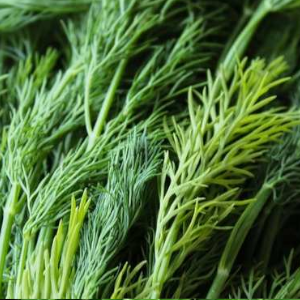
The aromatic herb is commonly used for flavoring and seasoning of various foods such as pickles, salads, sauces and soups
[15, 16] fresh or dried leaves are used for boiled or fried meats and fish, in sandwiches and fish sauces. Dill leaves add subtle but distinctive flavor to a variety of dishes including fish, vegetables, soups, salads, sauces, breads, and herb butters Dill seed is more pungent than the leaves and is the primary flavoring in dill pickles. Dill loses its flavor quickly
Use it fresh as soon after picking as possible You can dry dill foliage by hanging the plant upside down in a warm, breezy place out of direct sunlight. This kale and rice salad with radishes and dill is a full of color, texture and flavor Every bite has the crunch of radishes and pistachios mixed with tender beans, olives and kale

Red jasmine rice makes it super filling and dill plus the lemony onion and dijon dressing makes all the flavors pop.
Dill is packed with vitamins and minerals and has antioxidant effects Dill has been shown to help with diabetes and cholesterol. The leaves, flowers and seeds of dill are all edible, and with repeated sowings you should be able to harvest them from early summer through to autumn You can start harvesting leaves about eight weeks after sowing.
Growing dill is a great way to have a plentiful supply of this tasty herb on hand for flavoring seafood, dips, potato salad, homemade pickles, and other dishes However, when and how to harvest dill depends on what you want to use it for Its leaves, flowers, and seeds are all edible and tasty.

Dill Leaves Photo & File Content Updates #875
Stream This Moment distinctive dill leaves in immaculate quality for your viewing. New content added daily and on the house on the extensive digital library.