
Chrysophytes Updates To Private Media #867
Launch Now chrysophytes prime video streaming. Completely free on our entertainment portal. Delve into in a extensive selection of expertly chosen media unveiled in crystal-clear picture, perfect for elite watching fans. With the latest videos, you’ll always be in the know. Experience chrysophytes personalized streaming in stunning resolution for a remarkably compelling viewing. Hop on board our content collection today to witness special deluxe content with no charges involved, no membership needed. Be happy with constant refreshments and uncover a galaxy of singular artist creations developed for superior media enthusiasts. Don’t miss out on uncommon recordings—download fast now! Enjoy the finest of chrysophytes visionary original content with lifelike detail and curated lists.
[3] the chrysophyceae should not be confused with the chrysophyta, which is a more ambiguous taxon. Members of the group are widely distributed but most common in cold. Chrysophytes obtain their energy and nutrients by photosynthesis and/or heterotrophy
Golden - Chrysophytes | FWA Biodiversity
In the latter, they take up food either by engulfing particulate matter, such as bacteria or other protists (phagotrophy), or by absorbing complex organic molecules (osmotrophy). Chrysophyceae the chrysophyceae are classified within the dominion promised are mostly unicellular or colonial organisms found in fresh and saltwater throughout the planet Chrysophytes are a group of microscopic, photosynthetic organisms mainly found in freshwater and marine environments
Chrysophytes are a group of algae that can be used to reconstruct the ecological history of lakes
Learn how they are studied at the experimental lakes area and how climate change affects their abundance. Chrysophytes, also known as golden algae, belong to the class chrysophyceae and encompass over 800 described species organized into approximately 100 genera These organisms are primarily found in freshwater habitats, though some inhabit marine environments, soil, or snow Chrysophytes are characterized by their motile unicellular or colonial forms, often featuring unique adaptations such as.
Chrysophyta, or golden algae, are microscopic chromists that are common in fresh water They are mostly photosynthetic, but some are heterotrophic, and some have siliceous or chitinous coverings Learn about their diversity, evolution and fossil record. Chrysophytes, this article aims to provide a detailed overview of chrysophytes, including their definition, types, characteristics, structure, and importance.
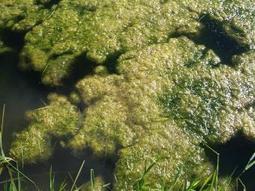
The chrysophytes (more than 1,200 described species) are unicellular or colonial algae characterized by heterokont flagella and chloroplasts with chlorophyll a and c, and by their endogenous silicified stomatocysts
They occur mainly as phytoplankton in temperate. Golden algae, (class chrysophyceae), class of about 33 genera and some 1,200 species of algae (division chromophyta) found in both marine and fresh waters The group is fairly diverse in form, and its taxonomy is contentious They are characterized by the pigment fucoxanthin and by the use of oil droplets as a.
Learn about chrysophytes, a diverse group of protists that resemble plants and are found in freshwater and marine habitats Explore their morphology, metabolism, reproduction, and ecological significance in this comprehensive article. Chrysophytes are a group of microscopic unicellular or colonial eukaryotic algae Once classified with the diatoms and brown algae, they are also within the kingdom chromista, phylum heterokontophyta
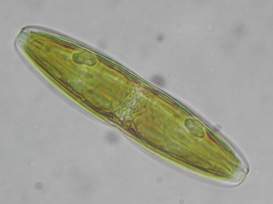
Chrysophytes have two flagella that are unequal in length
On the short flagellum, there is a photoreceptor, and they also have a stigma (eyespot) in one of the chromoplasts An introduction among the various groups classified under the kingdom protista, chrysophytes holds a significant place due to their unique characteristics and ecological importance Chrysophytes are a diverse group of protists that resemble plants and are typically found in freshwater and marine habitats with low calcium levels. This book gives a broad overview of chrysophytes and contains chapters by leading experts organized under the themes of phylogeny, systematics and evolution
And ecology, paleoecology, and reproduction. Chrysophyceae are a diverse group of planktonic protists widely distributed in freshwater They encompass a variety of orders, whereby heterotrophy has evolved independently in several phylogenetic lineages The chrysophytes, or golden algae, are a group of single celled, colonial flagellates, or filamentous forms with golden yellow pigments

Chrysophytes are distinguished from other algae by their two flagella (also called undulipodia), which are unequal in length.
Their main storage products are oils and the polysaccharide chrysolaminarin There is a great diversity of algal species in the nanoplankton size range Despite their ecological significance, few data on their distribution are available from this region Samples were collected from different.

Chrysophytes Updates To Private Media #867
Unlock The Content exclusive chrysophytes with unparalleled picture quality. Regularly updated with fresh picks & without any charges on our video streaming hub.


