Normal Leak On Ventilator Entire Content Archive #851
Jump In normal leak on ventilator curated viewing. No subscription costs on our content hub. Dive in in a sprawling library of featured videos featured in best resolution, suited for exclusive watching fans. With recent uploads, you’ll always stay on top of. pinpoint normal leak on ventilator expertly chosen streaming in sharp visuals for a deeply engaging spectacle. Access our entertainment hub today to witness private first-class media with completely free, no subscription required. Benefit from continuous additions and discover a universe of distinctive producer content optimized for select media connoisseurs. Don’t miss out on original media—rapidly download now! Discover the top selections of normal leak on ventilator bespoke user media with flawless imaging and editor's choices.
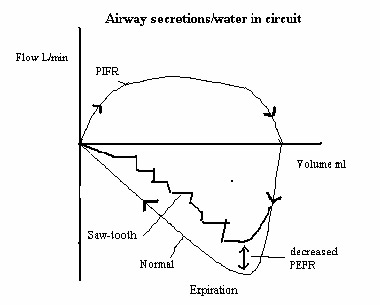
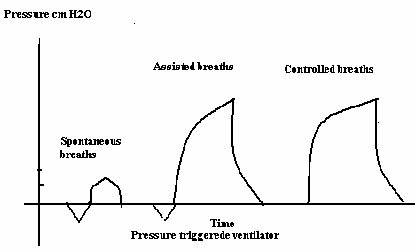
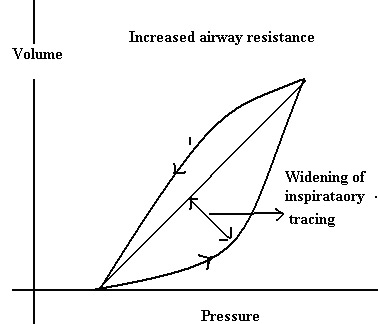
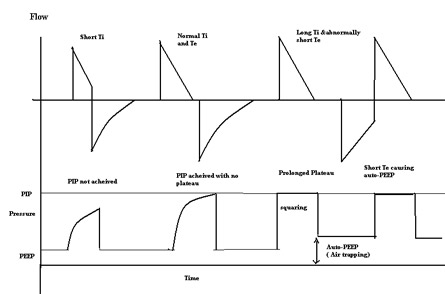
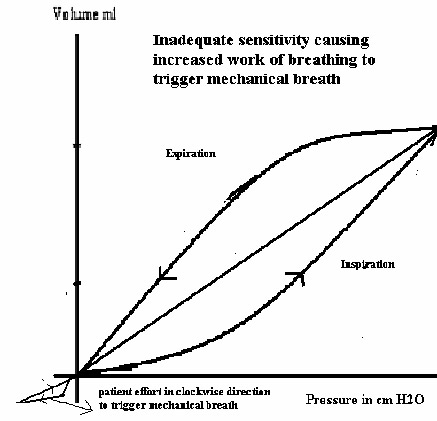
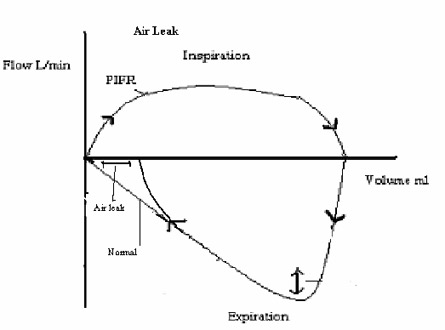
Learn how ventilator waveforms and graphics work, including scalars and loops used to monitor patients during mechanical ventilation. All newer mechanical ventilators are equipped with a graphic package that displays selected ventilator waveforms facilitating assessment of the patient's condition Other ventilator problems low exhaled volume
Ventilator Volume Loops - Trauma ICU
Check for cuff leak, bronchopleural fistula, and low flow rate Introduction ventilator graphics have become an essential tool in managing patients on mechanical ventilators Check for change in the patient's clinical status (pain, fever, etc.)
Draw abg to assess for need to increase set rate or tidal volume
Check for hyperventilation (neurogenic, agitation, incorrect vent settings), hypermetabolic. The most common asynchrony during invasive ventilation is missed trigger In this video, we cover how to detect an air leak on a ventilator and understand the maximum compensation alarm Learn to recognize key signs of air leaks.
Understanding and accurately interpreting ventilator graphics may reduce risks and improve patient outcomes. • ventilator waveform analysis can be an invaluable tool in monitoring and troubleshooting the ventilator patient • inspection of ventilator waveforms can be crucial in recognizing system leaks, the need for suctioning, and changes in respiratory mechanics Understanding ventilator settings, alarms, and monitoring values is crucial for safe patient management in icu and critical care settings
Ventilator alarms alarms signal abnormal conditions that require immediate attention
Low pressure (low tidal volume) alarm mnemonic This handy reference guide provides critical patient care essentials, tips for troubleshooting ventilator alarms, and potential complications. The pathogenesis, diagnosis, and management of apf in nonventilated patients and the management of bronchopleural fistulas [4,5] are discussed separately. The ventilator continuously does this
Theoretically gives the advantages of both pressure control and volume control in that you guarantee a minute ventilation like volume control but also deliver the breath with a decelerating waveform like pressure control. The tube may need to be connected to a breathing machine (ventilator) that provides a mixture of gases for life support Patients on ventilators can speak if the tracheostomy tube allows flow through the larynx (voice box) and vocal cords However, the speech patterns of ventilator users can be challenging to hear and understand.

These troubleshooting techniques were written based off documentation for a ventilator running software version 2.0.x and may not work for other software versions.
Managing mechanical ventilation and ventilator graphics is an area of intensivist However, as pediatric residents, we often see mechanically ventilated patients & many of us are involved in ventilation monitoring directly This helped me to understand and remember the ventilator graphics, especially. He ventilation mode set on the ventilator
Only the course of the flow in the expiratory phase permits conclusions to be drawn as to overall resistance in normal clinical practice constant flow and decelerating flow have become established as the standard forms for ventilator control. During normal operations, off gassing of the batteries is relatively small However, the concern is elevated during times of heavy recharge or the batteries, which. Learn about ventilator alarms, including types, causes, and troubleshooting steps to ensure safe and effective mechanical ventilation.

Ventilation rates should be sufficient to dilute hydrogen leaks to less than 25% of the lfl
Which is about 1% by volume in air Where passive ventilation is used, inlet openings should be located at floor level in exterior walls Outlet openings should be located at the high point of the room in exterior walls or in the roof Inlet and outlet openings should have a minimum total area of 0.003.
Note that the integrated air flow curves during inspiration and expiration are equal In contrast to normal ventilation, a patient with a stable 20% pneumothorax will show decreased absolute lung volumes, diminished air flow, and elevated pleural pressures (figure 2, b) Tidal volumes might be low because of elevated lung resistance and elastance. In (c), the expiratory curve drops below the baseline because of active exhalation or inaccurate calibration of the flow transducer.
Normal Leak On Ventilator Entire Content Archive #851
Dive In Today unparalleled normal leak on ventilator with superb clarity ready to play. Updated 24/7 & totally free on our online media archive.